Informator uniwersytecki

numer 021
Kwiecień 2023
☆
Mass spectrometry for precision medicine and modern pharmaceuticals
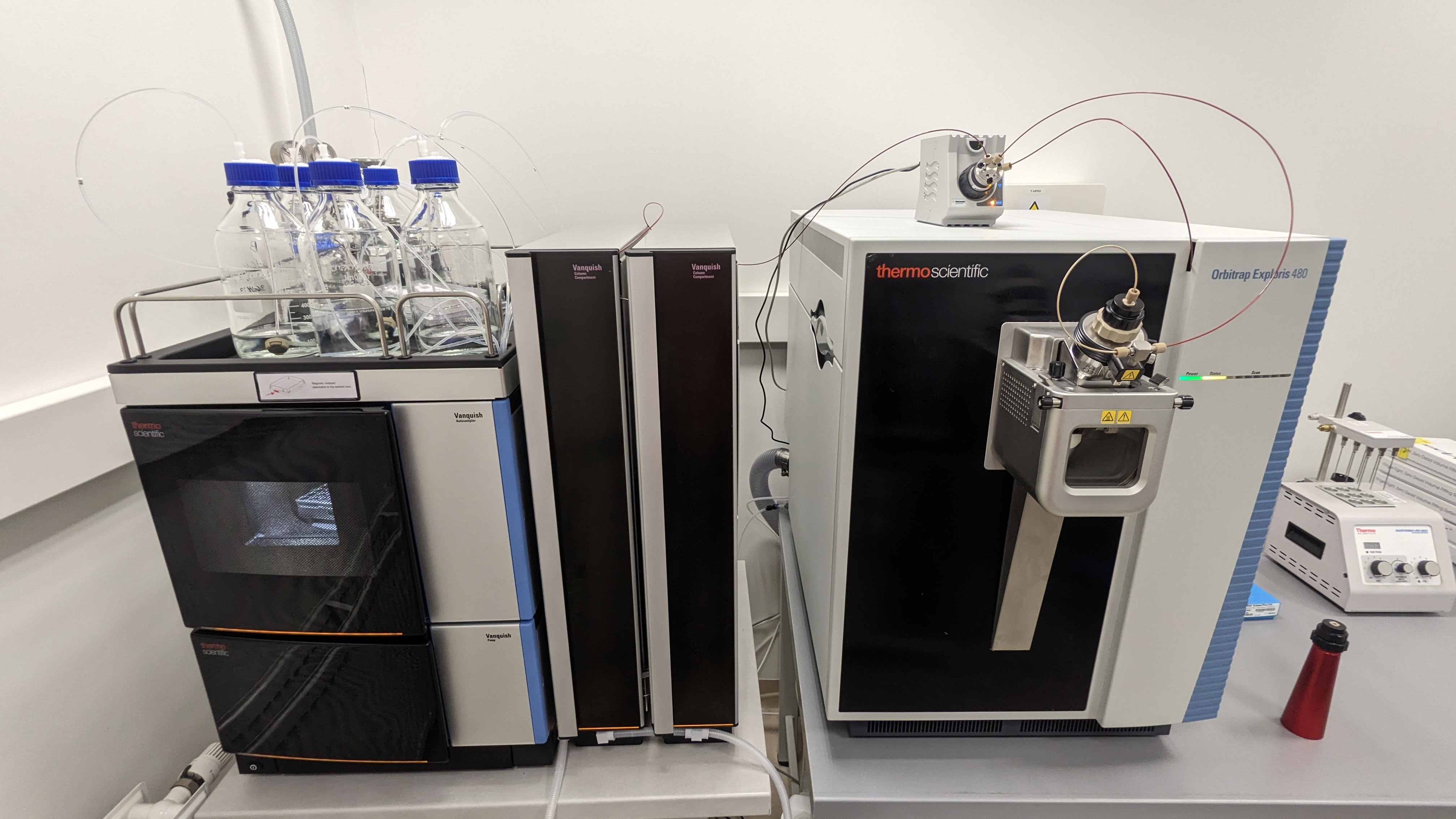
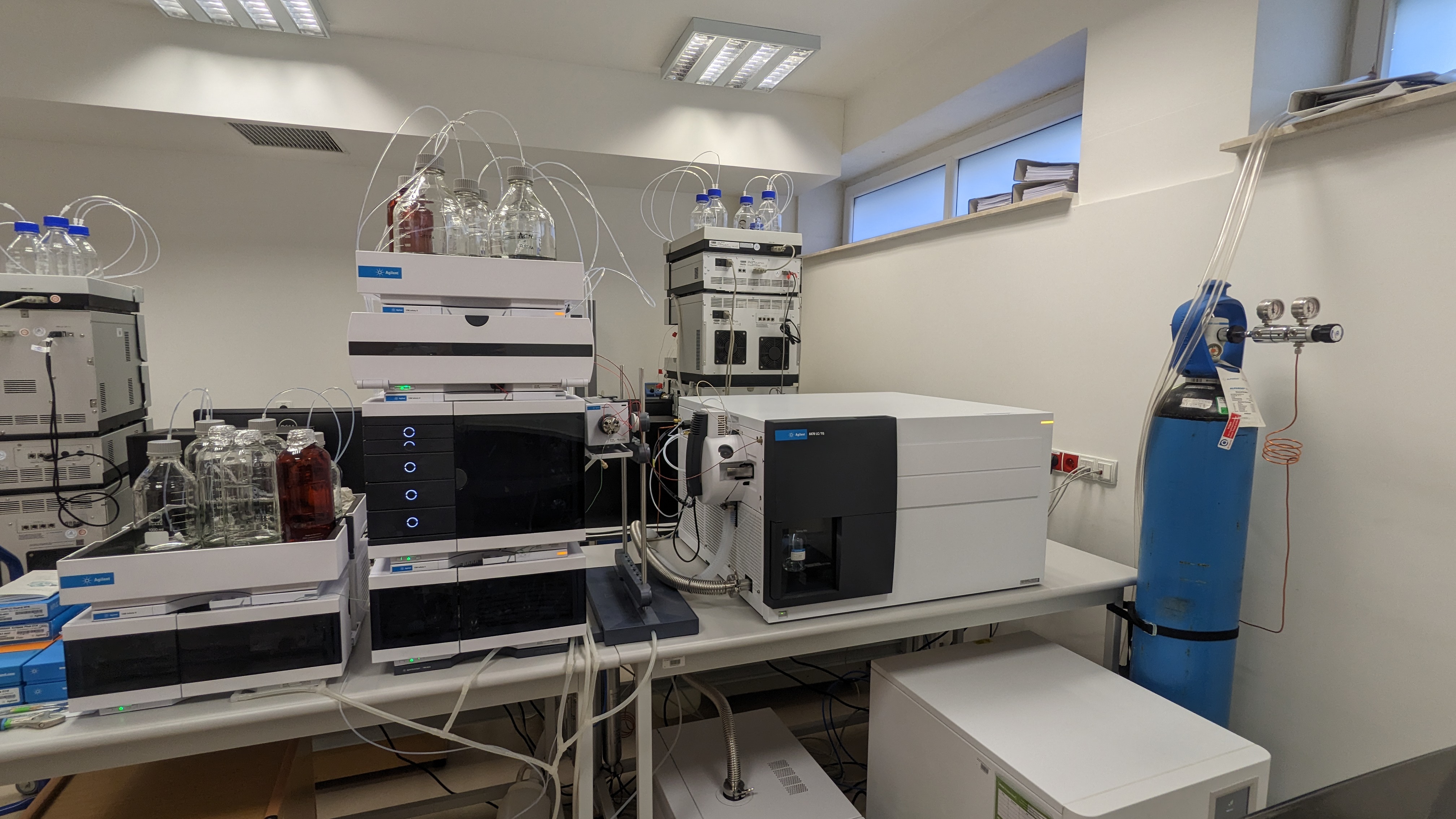
In 2022, the Department of Bioanalytics was equipped with two modern mass spectrometers within the framework of an earmarked grant awarded by the Ministry of National Education for the implementation of an investment related to scientific activities entitled "Mass spectrometry for precision medicine and modern pharmacy". A high-resolution Orbitrap mass spectrometer (Thermo Scientific Orbitrap Exploris 480) coupled to an ultraperformance liquid chromatograph (Thermo Scientific Vanquish) and a nano/microliter flow liquid chromatograph (Thermo Scientific Ultimate 3000) were purchased, as well as a triple quadrupole mass spectrometer (Agilent Technologies 6470 QQQ LC/MS) coupled to an ultraperformance liquid chromatograph (Agilent Technologies HPLC 1290 Infinity II).
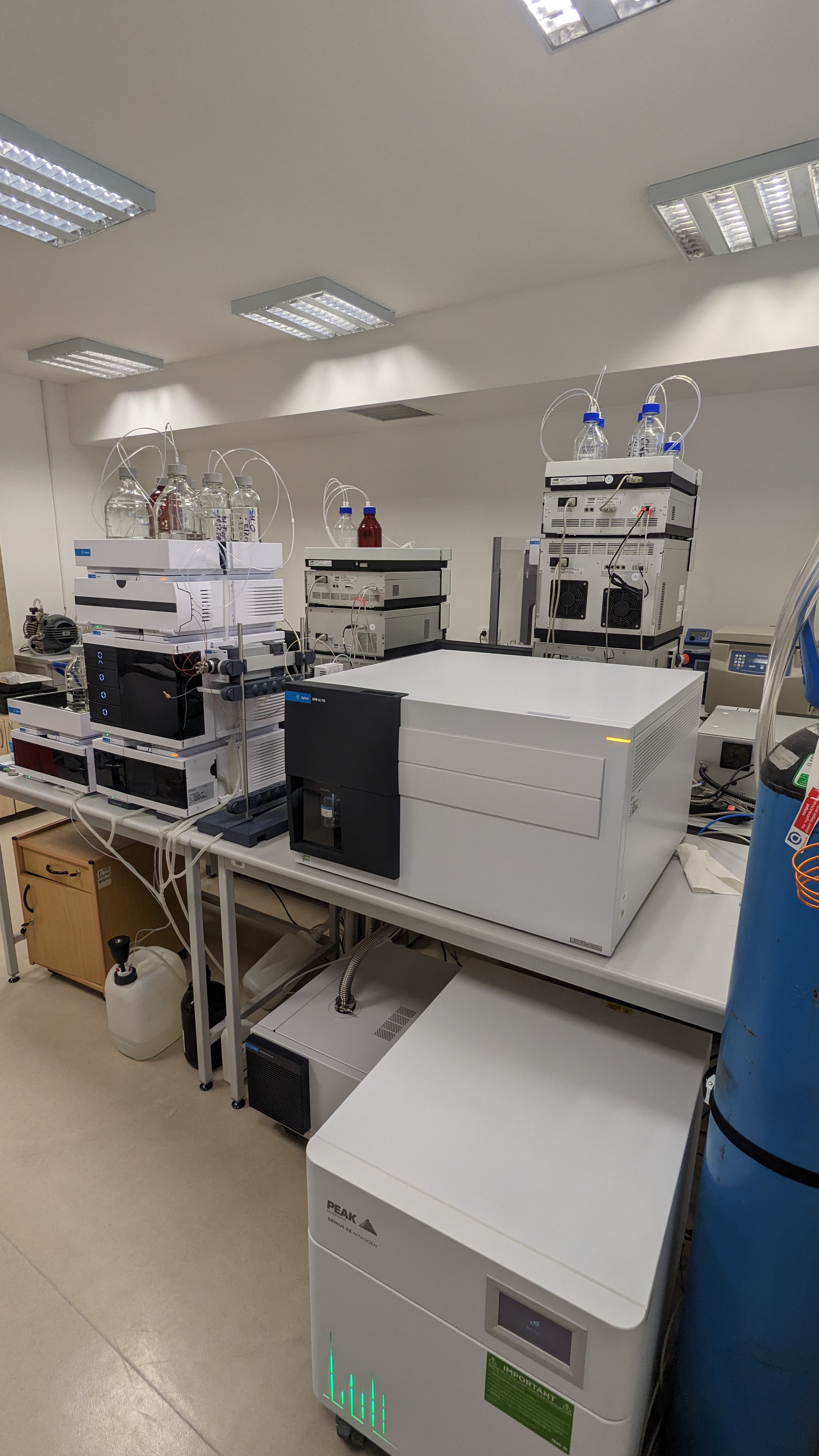
In addition, the Department of Bioanalytics has a high-resolution quadrupole mass spectrometer - throughput analyzer (Agilent Technologies 6550 iFunnel Q-TOF LC/MS) coupled to an ultra-performance liquid chromatograph (Agilent Technologies HPLC 1290 Infinity).
Mass spectrometry has applications in medicine for monitoring therapeutic drug concentrations, in the search for new disease markers of diagnostic and prognostic significance, in metabolomic and proteomic studies, in medical microbiology, anatomic pathology, phenotyping, immunology, endocrinology and toxicology, in the monitoring and detection of drugs and new psychoactive substances, and in cancer research, among others. The routine introduction of MS technology in the oncology field provides a better understanding of diseases in terms of pathophysiology, prevention, diagnosis and treatment, as well as the development of new biomarkers, targets for drugs and new therapies. Successful advances in MS technology toward cancer omics research provide a strong rationale for its implementation in biomedicine as a whole.
In pharmacy, mass spectrometry is used, among other things, in the study of new drugs, quality control of pharmaceuticals, during clinical trials, for pharmacodynamic and pharmacokinetic analysis of drugs, in the evaluation of drug safety and quality, for the study of drug metabolism and resulting metabolites, in toxicological and endocrinological analyses, in pharmacotyping, selection of therapeutic targets.
Metabolite and protein profiling by mass spectrometry methods offers a revolutionary approach to phenotyping individuals at the molecular level, which is essential for new breakthroughs in precision medicine, drug development and methods for early detection of inherited and chronic diseases. Research and development work conducted for the discovery and validation of diagnostic, prognostic and predictive biomarkers of human diseases for precision clinical medicine uses both low- and high-resolution mass spectrometers. At the stage of profiling and identification of markers, high-resolution mass spectrometers are used, providing accurate measurement of masses (e.g., Orbitrap, Q/TOF). At the stage of marker validation and quantitative measurement of marker levels, high and ultra-high sensitivity mass spectrometers (e.g., Triple Quadrupole, QQQ) are used.
The Department of Bioanalytics also has specialized software for the analysis and interpretation of MS data, including metabolomics and proteomics (including Mass Hunter, Mass Profiler Professional, Spectrum Mill, Proteinmetrics, Protein Discoverer, Compound Discoverer, SIMCA).
Anyone interested in the use of mass spectrometry in scientific and clinical research is encouraged to contact the head of the Department of Bioanalytics, Professor Emilia Fornal.
Author: Professor Emilia Fornal
Translation: Aleksandra Kaźmierczak
Translation: Aleksandra Kaźmierczak







Redakcja zajmuje się opracowaniem dostarczonych materiałów do artykułów i nie odpowiada za ich wartość merytoryczną. Za wartość merytoryczną odpowiadają ich twórcy.
© 2022 Centrum Symulacji Medycznej UM w Lublinie