Informator uniwersytecki

numer 038
październik 2025
★
7
The Whale
The Whale (2022), directed by Darren Aronofsky and starring Brendan Fraser in a transformative role, is a poignant and emotionally intense film about a reclusive and morbidly obese man named Charlie. The film, based on a play by Samuel D. Hunter (who also wrote the screenplay), explores themes of guilt, self-destruction, and redemption as it follows Charlie's struggle with his health, relationships, and the personal demons that haunt him.
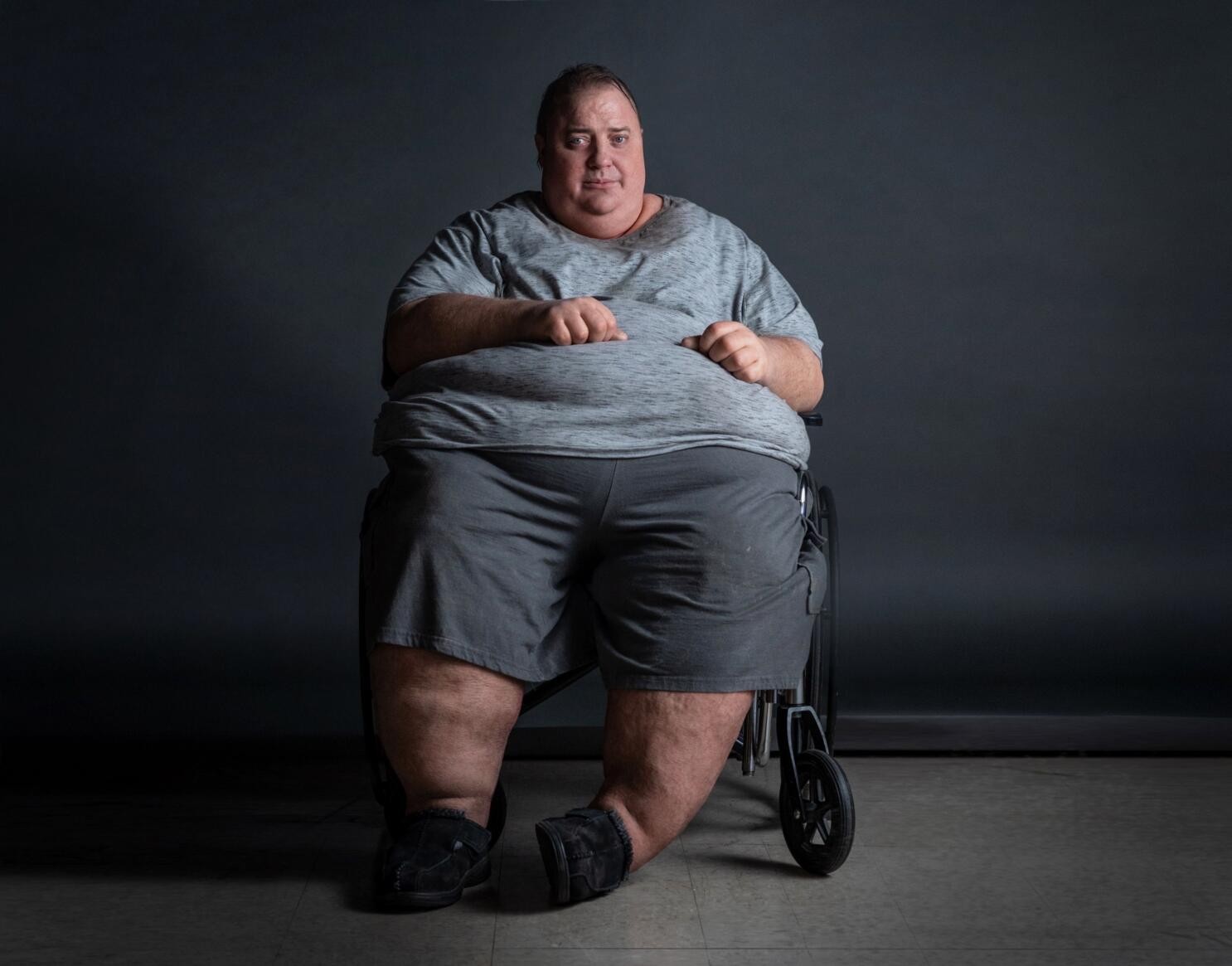
Plot Summary:
Charlie is a 600-pound man who lives in near-total isolation in his small, dimly lit apartment. He teaches English composition online, though his students never see him, and spends much of his time eating and reflecting on the past. The film takes place over the course of one week and focuses on Charlie’s attempts to reconnect with his estranged daughter, Ellie, whom he left behind when he chose to live with his partner, Alan, who later passed away. Throughout the film, Charlie’s deteriorating health and the emotional toll of his past choices come into sharp focus.
Charlie is a 600-pound man who lives in near-total isolation in his small, dimly lit apartment. He teaches English composition online, though his students never see him, and spends much of his time eating and reflecting on the past. The film takes place over the course of one week and focuses on Charlie’s attempts to reconnect with his estranged daughter, Ellie, whom he left behind when he chose to live with his partner, Alan, who later passed away. Throughout the film, Charlie’s deteriorating health and the emotional toll of his past choices come into sharp focus.
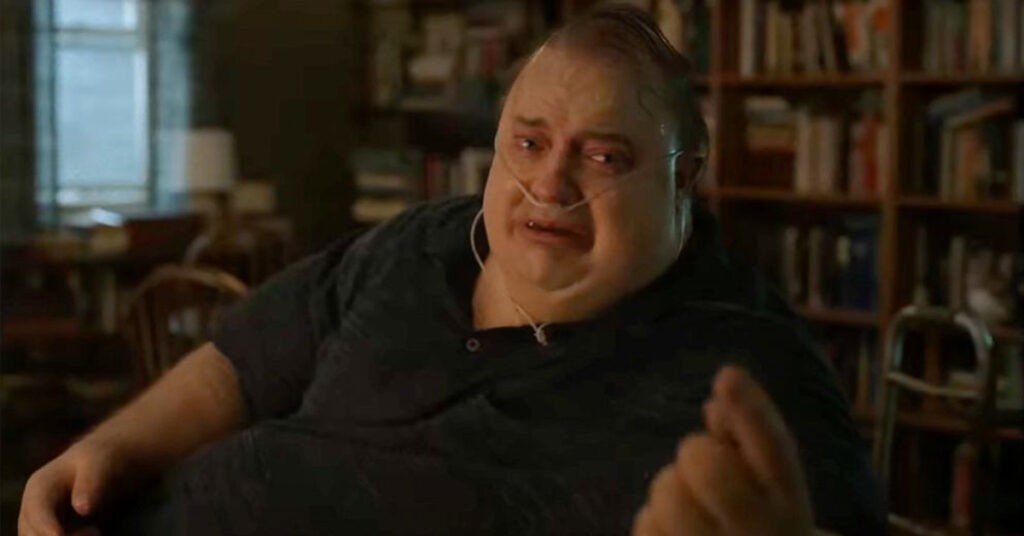
The film’s protagonist, Charlie, faces a multitude of interconnected physical, psychological, and emotional challenges, many of which have contributed to his extreme obesity and isolation.
Morbid Obesity: Charlie suffers from morbid obesity, a condition that severely impacts his physical health. His weight, which has reached around 600 pounds, has a debilitating effect on his ability to move, breathe, and function. His body is weakened by his size, and he struggles with basic tasks such as walking or standing. His obesity is the result of years of unhealthy eating habits, emotional trauma, and a desperate attempt to numb himself from his pain.
Physical Health Problems: Due to his obesity, Charlie experiences a wide range of physical health issues, including difficulty breathing (likely due to sleep apnea), constant pain, and exhaustion. He relies on a walker to get around and can barely manage any movement without assistance. He is also at risk of severe medical complications, such as heart failure, stroke, and diabetes, though he is in denial about the severity of his health condition. As the film progresses, it becomes clear that Charlie is on the verge of death due to his condition, and the film's tension builds around his struggle to keep going.
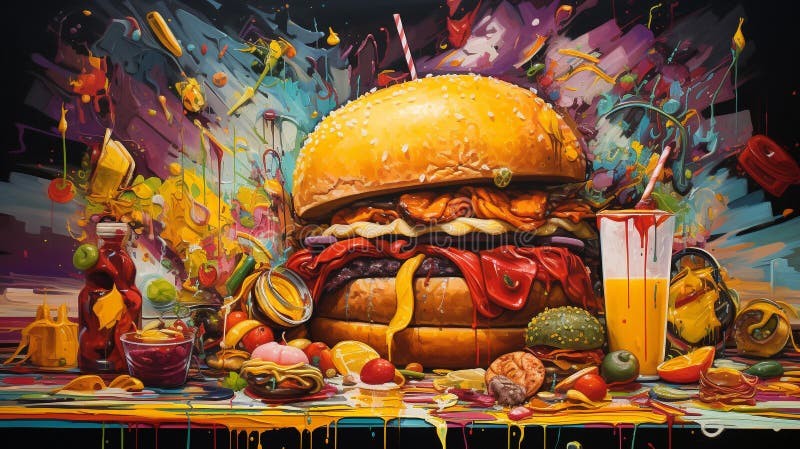
Self-Destructive Behavior: Throughout the film, Charlie’s behavior suggests a form of self-loathing and a desire for self-destruction. His eating habits, excessive weight gain, and disregard for his own health indicate that he is punishing himself. He is unable to stop himself from overeating and appears to be spiraling further into despair, even when confronted with the potential consequences of his actions. Charlie's reluctance to seek medical treatment or confront his health issues is symbolic of his larger emotional withdrawal and inability to address his underlying pain.
Estranged Relationship with His Daughter: Charlie’s relationship with his teenage daughter, Ellie, is another significant source of his emotional suffering. When the film begins, Charlie has been estranged from her for years. Ellie is angry and resentful toward him for abandoning her and her mother, and she expresses this anger through cruelty and manipulation. However, as the film progresses, it becomes evident that Charlie is desperately trying to reconnect with her, hoping to make amends before it’s too late. Their relationship is complicated by Charlie’s inability to be fully present and healthy, both physically and emotionally, and Ellie’s deep-seated feelings of abandonment.
Rejection of Help: Despite the overwhelming evidence of his deteriorating health, Charlie refuses to seek professional help or admit the extent of his issues. His denial of medical intervention is another form of self-sabotage. Throughout the film, he interacts with Liz (played by Hong Chau), a nurse and old friend, who repeatedly offers assistance, but Charlie refuses, choosing instead to live in isolation. This reflects his struggle with guilt and shame—he feels unworthy of help and incapable of changing.
The Whale delves into themes of guilt, self-destruction, and the difficulty of seeking redemption. Charlie’s weight symbolizes his emotional burden, his inability to escape his past, and his internal struggle with self-worth. The film also explores the destructive nature of denial, as Charlie actively avoids confronting his health issues and his complex relationships. His desire for reconciliation with Ellie reflects a longing for redemption, but his overwhelming fear of rejection and his own self-hatred prevent him from taking the necessary steps to heal.
Piotr Flieger
Department of Foreign Languages
Photos: Credits: Google graphics
Department of Foreign Languages
Photos: Credits: Google graphics







Redakcja zajmuje się opracowaniem dostarczonych materiałów do artykułów i nie odpowiada za ich wartość merytoryczną. Za wartość merytoryczną odpowiadają ich twórcy.
© 2022 Centrum Symulacji Medycznej UM w Lublinie